

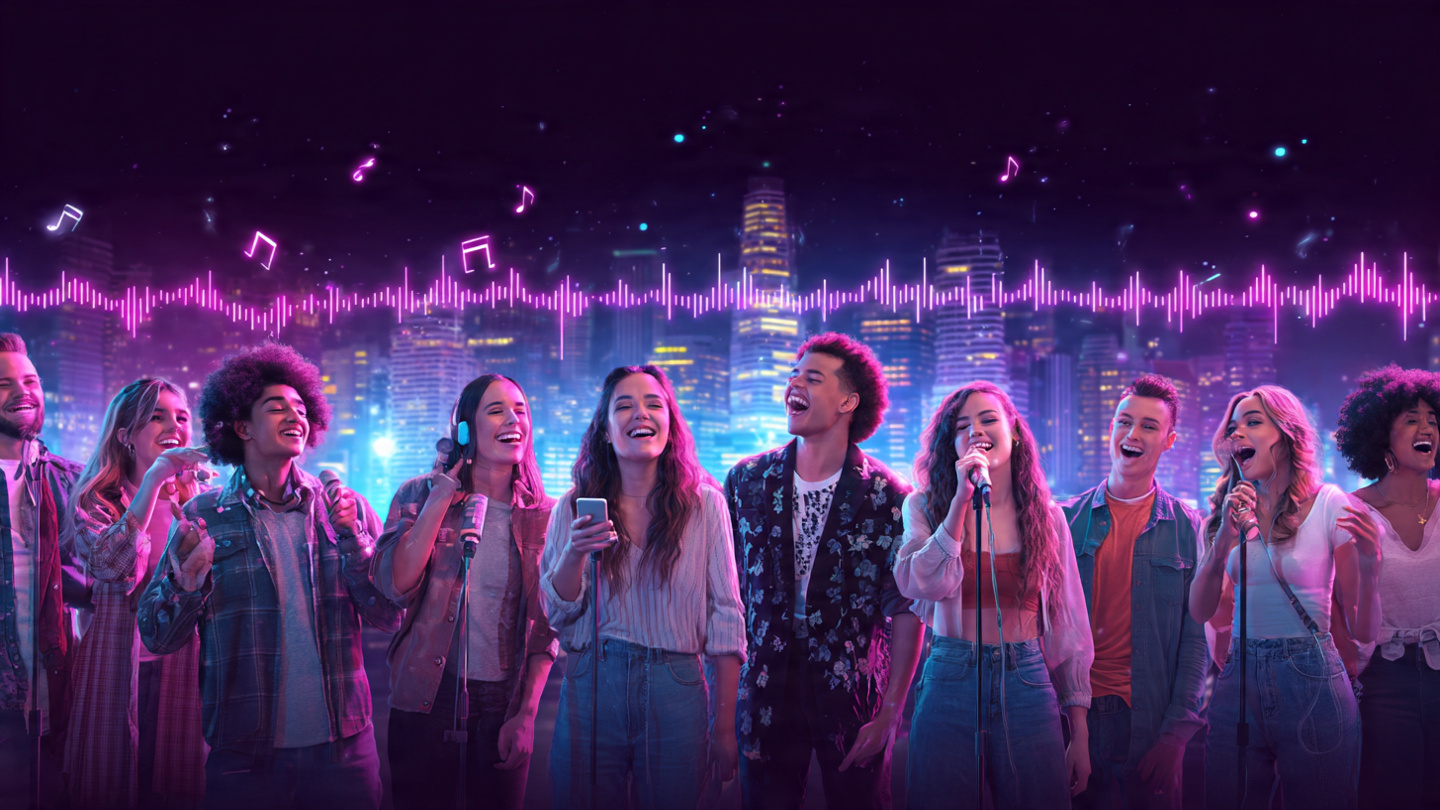
What Are Fansqingers?
Fansqingers are people who are both fans of music and active singers. They listen to songs they love, learn the lyrics, and then record their own versions to share with others. Instead of staying quiet in the background, they step forward and sing out loud on platforms like TikTok, YouTube, and Instagram Reels.
In simple words, fansqingers are not just listeners; they are also performers. They turn their favorite songs into personal projects, adding their own style, emotions, and creativity. Because of this, the line between “fan” and “artist” has become much thinner in today’s digital world.
How Fansqingers Are Different from Regular Fans
Most fans enjoy music by listening to songs, watching concerts, and maybe buying albums. Fansqingers, on the other hand, take one big extra step: they sing the songs themselves.
First, fansqingers often choose a favorite artist or song and then learn every part of it. They might change the melody slightly, add their own harmonies, or even rewrite certain lines to match their feelings. Next, they record a video or audio clip and post it online. By doing this, they are no longer just watching the show; they are part of it.
This shift from passive listening to active singing has changed how music is shared and enjoyed. Fansqingers create a bridge between fans and musicians, making music feel more personal and reachable.
The Rise of Fansqingers Online
The fansqinger trend grew quickly because of social media. Platforms like TikTok, YouTube, and Instagram Reels made it easy for anyone to record and upload a short singing video within minutes.
At first, many people only shared casual clips, but soon some of them began to gain thousands, even millions, of views. Trending challenges, duet features, and live‑stream singing rooms encouraged more and more fans to try their own versions of popular songs. Over time, these small clips turned into a global movement.
Because of this movement, fansqingers are now seen as a new kind of music creator. They may not be signed to big labels, but their voices still reach large audiences and help songs go viral.
Why Do Fans Become Fansqingers?
There are many reasons why fans turn into fansqingers. For some, it is simply about fun and creativity. They enjoy singing, and sharing their voice online feels like a safe and exciting way to express themselves.
For others, it is a chance to connect with like‑minded people. Many fansqingers join online communities where they support each other, give feedback, and sometimes even collaborate on joint songs or group covers. These communities help singers improve and feel less alone in their creative journey.
In some cases, fansqingers also hope to become professional singers one day. By regularly posting recordings, they build a small fan base, practice their skills, and learn how audiences react to different styles. This experience can feel like an informal training ground for a real music career.
How Fansqingers Help Artists
Fansqingers are not only fans; they also act as supporters who help spread music. When a fansqinger posts a cover of a song, their followers may listen to the original track for the first time.
Moreover, original artists sometimes notice creative covers and may even react to them. A singer might comment, share, or even invite a fansqinger to join an online event or a special performance. These interactions make fans feel closer to their idols and can create powerful emotional moments.
In addition, fansqingers often add new life to older songs. A track that was once popular years ago can suddenly become trendy again when a fansqinger releases a fresh cover or remix. This keeps music alive and introduces it to younger listeners.
The Creative Side of Fansqingers
One of the most interesting parts of fansqinging is creativity. Fans are not limited to singing the song exactly as it was recorded. They can change the tempo, switch the genre, or even translate the lyrics into their own language.
For example, a pop song might be turned into a ballad, or a rock song might be sung in a soft, acoustic style. Some fansqingers also combine two or more songs into a mash‑up, creating something completely new. These experiments show how flexible music can be and how fans can leave their own mark on it.
Another creative aspect is video production. Fansqingers often think about background, lighting, camera angles, and editing. They may add text, filters, or small animations to make their videos more attractive. All of these choices help them tell a story with their voice and visuals together.
The Community behind Fansqingers
Behind most fansqingers, there is a whole community of people who share the same passion. Fans from different countries, languages, and cultures come together around a common song or artist. They comment on each other’s videos, give praise, and gently suggest improvements.
Many of these communities are friendly and supportive. They celebrate every small success, like reaching a certain number of views or getting a positive reaction from an original artist. At the same time, they also respect each other’s differences in style and voice.
Through this community spirit, fansqingers learn more than just singing. They practice patience, kindness, and teamwork. They discover that sharing music can be a form of friendship, even when people have never met in person.
Challenges Faced by Fansqingers
Although fansqinging can be fun and rewarding, it also comes with challenges. One of the biggest issues is dealing with criticism. Not every comment will be positive, and some viewers may say harsh or unkind things. Learning how to handle negative feedback without losing confidence is an important skill.
Another challenge is finding the right balance between creating content and taking care of oneself. Some fansqingers spend so much time recording and editing videos that they feel tired or stressed. It is important to remember that music should bring joy, not pressure.
Finally, fansqingers may sometimes worry about copyright or permission. When they share covers of popular songs, they need to follow the rules of the platforms they use and, in some cases, give proper credit to the original artists. This helps keep the community respectful and fair.
Fansqingers and the Future of Music
Looking ahead, fansqingers are likely to play an even bigger role in the music world. Streaming platforms and social networks will continue to grow, and more people around the world will gain easy access to recording tools.
As this happens, the line between fans and artists may become even less clear. Some fansqingers might get signed to music labels, while others will stay independent and enjoy singing for their community. Either way, their voices will keep influencing how music is shared and enjoyed.
In the future, fansqingers could also experiment with new formats, such as virtual concerts, live‑stream collaborations, or creative video projects that combine singing with storytelling. Technology will open many doors, and fansqingers will be some of the first to walk through them.
How You Can Join the Fansqingers Movement
If you enjoy singing or even just lip‑syncing along to your favorite songs, you already have the basic ingredients to become a fansqinger. The first step is to pick a song you truly love and feel comfortable with.
Next, practice it a few times until you feel ready to record. You don’t need fancy equipment; a simple phone, a quiet room, and a bit of patience can be enough. After recording, you can edit the video and then share it on a platform where others can see it and react.
Even if your first video does not get a lot of views, remember that every fansqinger started somewhere. What matters most is that you enjoy the process, learn from each experience, and keep trying new songs and styles.
Fansqingers have shown that music is not just something to watch from a distance; it is something to join, share, and create. Whether you want to sing for fun, for friends, or for a wider audience, your voice can become part of this growing global movement.
More from info: Wealth Management in London
